By Barbara Gardner
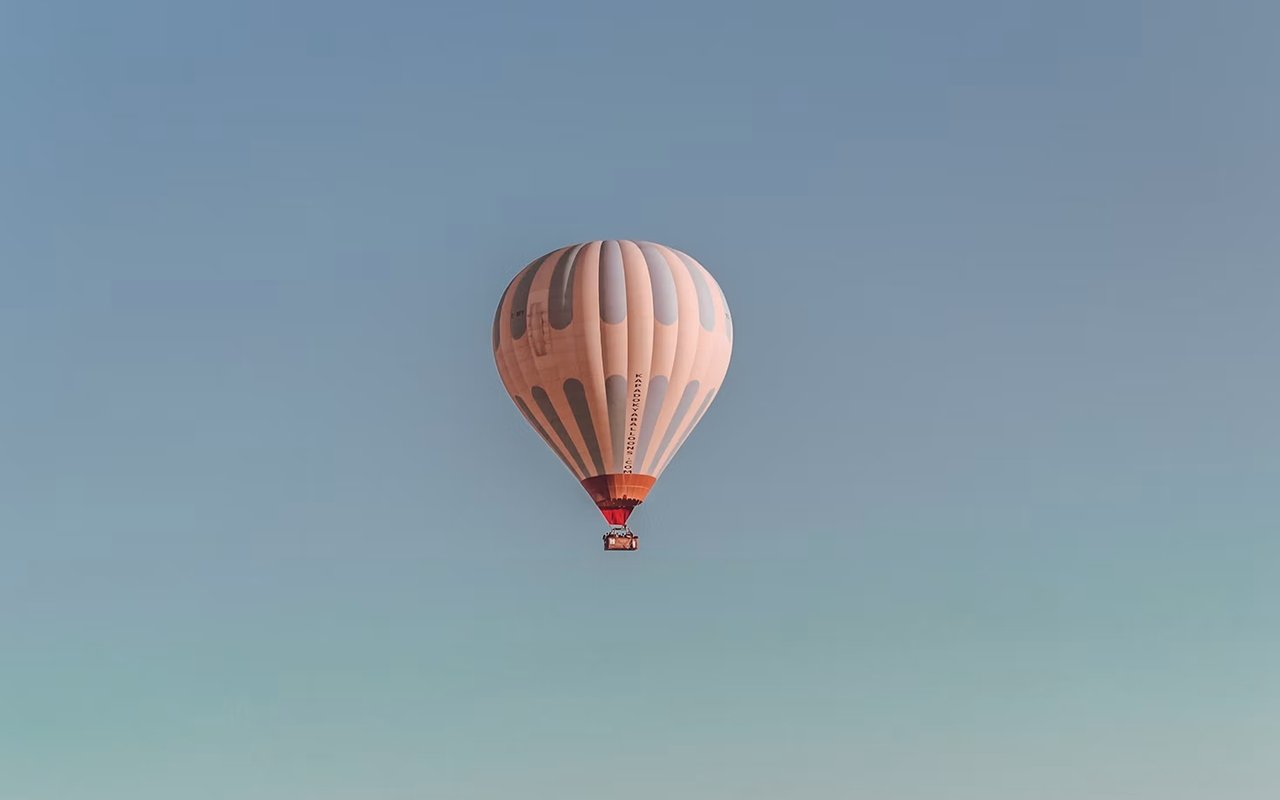
I still remember the first time a client asked me where to watch the sunrise over the Gore Range, and my answer surprised her: from a basket, a few thousand feet up. Vail Valley draws people for skiing and hiking, but the view from a balloon basket shows the terrain in a way no trail or gondola can match.
I wanted to put together a real guide to what that morning actually involves, from the launch field in Gypsum to the champagne toast at landing. Whether you're weighing a property here or already calling this valley home, this is worth understanding.
Key Takeaways
- Launch site: Flights depart from the Gypsum area near Eagle County Regional Airport.
- Best season: Sunrise flights run June through September most years.
- Ideal conditions: Pilots look for light wind and cool, stable morning air.
- Valley views: Flights reveal the Gore Range and the Eagle River corridor from above.
Where the Flights Actually Launch
Most balloon operators here fly out of the Gypsum area, close to Eagle County Regional Airport at roughly 6,547 feet above sea level. That elevation already sits well above sea level before a balloon even leaves the ground, which changes how the whole experience feels compared to a flight closer to the coast.
Why the Launch Point Matters
- Airport proximity: Eagle County Regional Airport sits near the launch field, which keeps coordination simple for pilots.
- Valley floor access: The Gypsum launch area gives crews flat, open ground for inflating the balloon safely.
- Drive time: The site sits roughly 35 to 40 minutes from Vail itself, depending on the route.
Crews typically arrive well before sunrise to check wind and set up equipment on the field. That early arrival is part of why the whole outing tends to wrap up by midmorning, leaving the rest of the day open.
The Weather Window That Makes It Work
Pilots look for wind speeds around 3 to 8 miles per hour and skies clear enough to meet FAA visual flight rules before committing to a launch. Morning air tends to run cooler and more stable than afternoon air, which is exactly the combination a balloon pilot wants.
What Pilots Check Before Launch
- Wind speed: Light wind in the 3 to 8 mile-per-hour range keeps the ascent smooth.
- Cloud ceiling: Clear or high ceilings are required to meet visual flight rules.
- Thermal activity: Cooler morning air avoids the rising warm-air columns that build later in the day.
A flight gets rescheduled rather than rushed whenever those conditions fall short, since safety margins here are not treated as optional. That habit of checking real numbers before committing carries over into how I look at property timelines too, where patience on the front end avoids trouble later.
The Season That Suits This Valley
Sunrise flights here typically run from June through September, matching the stretch when Vail Valley mornings stay calm and dry most consistently. That window overlaps with the busiest months for visitors exploring the area, which makes early booking worth planning around.
Why This Stretch of Months Works
- Stable air: Summer mornings in the valley tend to hold calmer conditions before the day heats up.
- Daylight timing: Longer summer days mean an early launch still lands well before a full day's plans begin.
- Visitor overlap: The same months draw the most people to the valley overall, so flights book out ahead of time.
Outside that window, shifting mountain weather makes reliable morning flights harder to schedule consistently. Anyone timing a visit around a balloon flight benefits from locking in dates a season ahead rather than waiting until the week of.
What the View Actually Shows You
A balloon rising from the Gypsum launch field climbs above the Eagle River corridor with the Gore Range visible to the north. That vantage point turns a familiar drive along the valley into something closer to a relief map, with ridgelines and river bends laid out below.
Landmarks Visible From the Basket
- Gore Range: Its peaks form the dominant skyline to the north of the flight path.
- Eagle River: The river's course through the valley floor becomes clearly traceable from altitude.
- Sawatch Range: Distant peaks to the south round out the view on a clear morning.
Photographers favor this flight specifically because the light at that hour catches the ridgelines at a low angle. The same terrain that looks familiar from a car window reads completely differently once there's altitude involved.
How the Morning Wraps Up on the Ground
Most operators end the flight with a champagne toast once the balloon lands, a tradition that goes back to the earliest days of ballooning in France. Crews then handle the balloon's pack-up while guests have time to talk through what they just saw from the air.
What Typically Happens After Landing
- Champagne toast: A short celebration on the ground follows most flights as a closing tradition.
- Crew pack-up: The chase crew handles deflating and packing the balloon and basket.
- Return transport: Guests are usually shuttled back to a central pickup point after landing.
That whole sequence, from a pre-dawn drive to Gypsum through a landing toast, tends to fill only a few hours of a morning. It's a schedule that fits easily around a full day of other plans in the valley without eating into the afternoon.
FAQs
What is the best time of year for hot air balloon rides Vail Valley visitors should plan around?
June through September tends to offer the calmest, most consistent morning conditions for a launch. Booking early within that window helps avoid the scheduling crunch that comes with peak summer visitor traffic.
How early do flights depart in the morning?
Flights launch at sunrise to take advantage of cooler, more stable air before afternoon winds build. Crews typically arrive at the launch field while it's still dark to prep equipment ahead of that window.
What should someone wear or bring for a flight like this?
Layered clothing works best, since mornings in the valley start cool even in summer before the sun climbs higher. Closed-toe shoes are worth choosing over sandals given the uneven ground at the launch field.
Reach Out to Barbara Gardner
I like pointing clients toward experiences that show them what this valley actually looks like beyond a single neighborhood or listing, and a sunrise flight over the Gore Range does exactly that. Seeing the Eagle River corridor and the surrounding peaks from altitude tends to change how people think about which part of the valley they want to call home.
Reach out to me, Barbara Gardner, and I'll help you plan a visit that pairs a morning like this with a real look at what's available across the valley. I know the towns, the terrain, and the seasonal rhythm well enough to make both parts of that trip worth the time.
Reach out to me, Barbara Gardner, and I'll help you plan a visit that pairs a morning like this with a real look at what's available across the valley. I know the towns, the terrain, and the seasonal rhythm well enough to make both parts of that trip worth the time.