By Griffin & Gardner
There's something about working with a view of the Gore Range that changes how you feel about Monday mornings. If you're settling into a mountain home in Vail, your home office deserves the same thoughtful design as the rest of the house — one that captures the alpine setting outside while giving you a space that actually helps you focus and get things done.
A cozy home office in a mountain house isn't just about a desk pushed against a window. It's about layering warmth, texture, and function so the room supports long work sessions in every season, from snowy January afternoons to bright July mornings. Whether you're carving out a corner of a great room or converting an entire loft, the goal is the same: a space that feels as functional and comfortable as it looks.
This guide walks through how to build a home office in your Vail mountain house that balances comfort with productivity, using materials, layout choices, and design details suited to high-altitude living.
Key Takeaways
- Choose warm, natural materials that complement your mountain home's architecture.
- Prioritize natural light and mountain views without creating glare on your screen.
- Layer lighting so that your office works well during both bright afternoons and early winter darkness.
- Select furniture that can handle temperature shifts common in Vail's climate.
- Add personal, tactile touches that make the space feel like a retreat, not just a workstation.
Choosing the Right Location in Your Mountain Home
The location of your home office sets the tone for everything else. In a Vail mountain house, you're often working with dramatic architectural features, vaulted ceilings, exposed beams, and expansive windows, so the room you choose should let those elements shine rather than compete with them. A loft space above the main living area can feel expansive and connected to the rest of the home, while a converted bedroom on a quieter level offers more privacy for calls and focused work.
Think about how the light moves through the space over the course of a day. South-facing rooms tend to get the most consistent daylight, which is especially valuable during Vail's shorter winter days. If your home has a room with a direct view of the slopes or the surrounding peaks, that's often the best candidate, even if it means sacrificing a bit of square footage elsewhere.
Ceiling height and room shape matter. A room with generous vertical space allows for taller bookshelves, statement lighting, or even a loft-style reading nook nearby, so the office feels layered rather than boxed in. If you're working with a smaller footprint, a well-placed mirror or glass-front cabinetry can make the room feel larger without adding visual clutter.
What To Look For in an Office Location
- Rooms with south-facing or west-facing windows for natural light throughout the day.
- A view of the mountains or tree line to reduce eye strain during long work sessions.
- Enough distance from high-traffic areas, such as the kitchen, so you can take calls without interruption.
- Ceiling height that allows for tall storage or statement lighting fixtures.
- Proximity to a heat source, since some converted spaces run cooler than the main living areas.
Layering Textures and Materials for Warmth
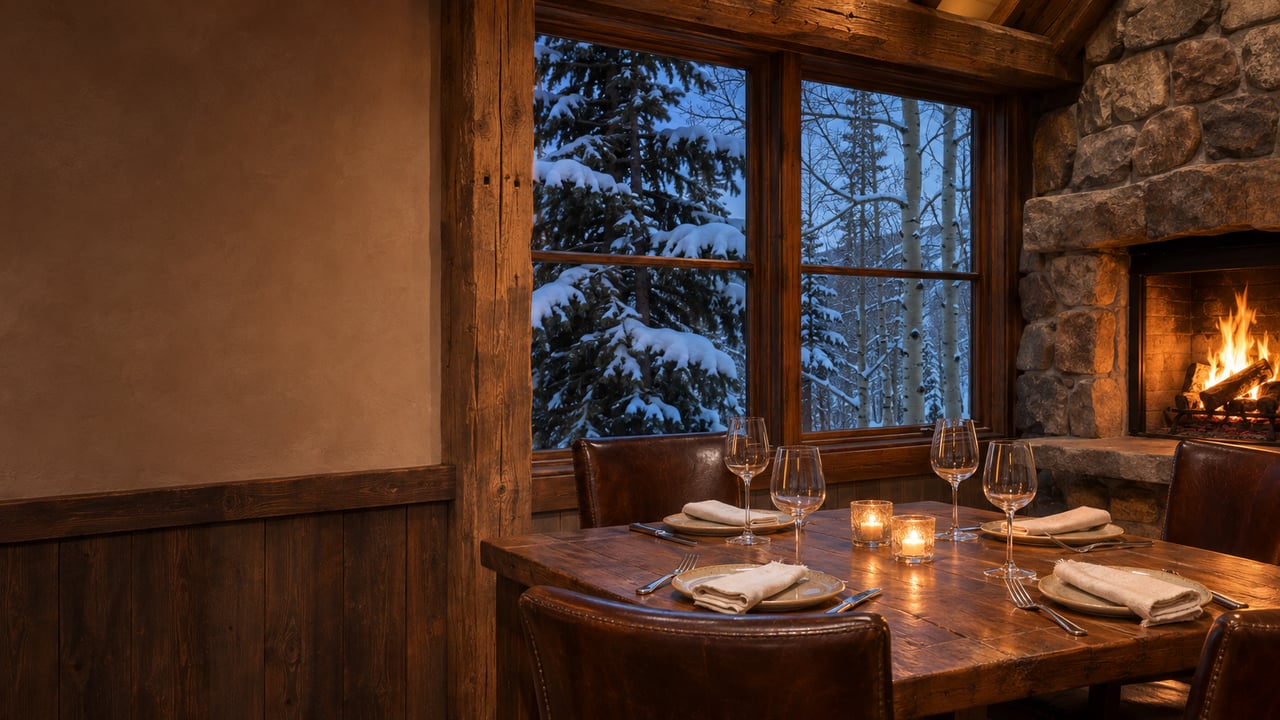
Mountain homes in Vail lean into natural materials, and your office should follow that same language. Wood, stone, and wool are not only visually consistent with the rest of the house; they also add a physical warmth that makes a room feel inviting rather than sterile. A reclaimed wood desk or a stone accent wall can anchor the space and tie it visually to a great room or entryway elsewhere in the home.
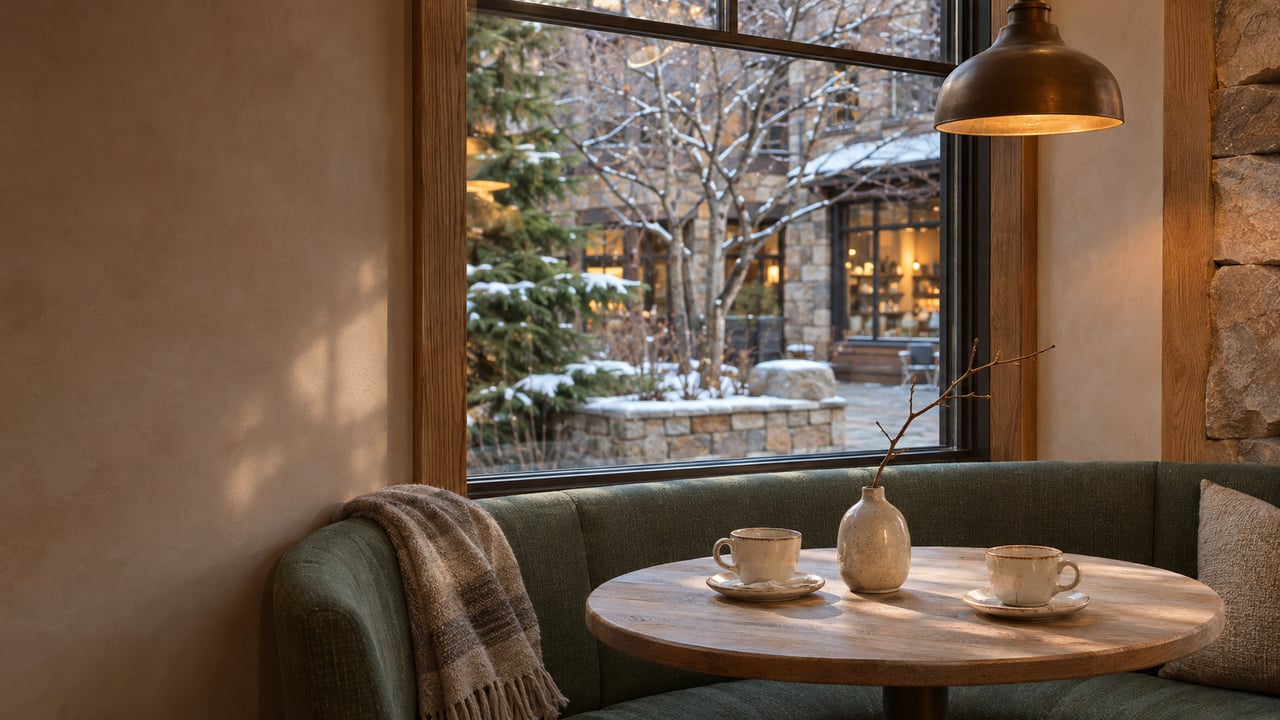
Texture does a lot of quiet work in a home office. A smooth glass desktop paired with a chunky wool throw on a nearby chair creates contrast that keeps the eye interested without feeling busy. Leather desk accessories, woven baskets for storage, and a wood-framed mirror all reinforce that lodge-inspired feel while keeping the room functional. Even small details, such as a ceramic mug holder or a leather desk pad, add up to a space that feels curated rather than assembled.
Flooring plays a bigger role than most people expect. Wide-plank wood floors paired with a thick area rug underfoot help insulate against the cold that can seep through mountain-home flooring in the winter months. If your office sits over an unheated space, such as a garage, that rug becomes both a design element and a practical necessity.
Materials That Bring Mountain Warmth Indoors
- Reclaimed or wide-plank wood for flooring, desks, or shelving.
- A stone or brick accent wall to echo the home's exterior materials.
- Wool or sherpa textiles for throws, rugs, and chair upholstery.
- Leather accessories, including desk pads, chair upholstery, and storage bins.
- Natural fiber baskets for organizing books, files, and supplies.
Lighting for Every Season and Time of Day
Vail's light changes dramatically depending on the season, and your office lighting plan should account for that shift. In the summer, long daylight hours mean you can rely heavily on natural light, so window placement and treatments matter most. In the winter, when the sun sets early, you'll need layered artificial lighting that keeps the room bright and functional well into the evening.
Start with ambient lighting, like a ceiling fixture or recessed lighting that fills the room evenly, so you're not squinting at a screen in a dim space. From there, add task lighting directly at your desk. A well-placed desk lamp with adjustable brightness lets you fine-tune the light for video calls, reading, or detailed paperwork, without straining your eyes during darker months.
Accent lighting rounds out the layers and adds warmth once the workday winds down. A floor lamp in the corner or a pair of sconces near a bookshelf gives the room a softer glow for evening use, so it doesn't feel like a stark, purely functional space once business hours end. Dimmer switches throughout let you adjust the tone as the light outside changes, which is especially useful given how quickly Vail's natural light can shift from bright to overcast.
How to Layer Your Office Lighting
- Install ambient lighting, such as recessed fixtures or a statement ceiling light, for even, overall brightness.
- Add a task lamp at your desk with adjustable brightness for calls and detailed work.
- Include an accent lamp or sconce for evening warmth once natural light fades.
- Use dimmer switches so you can adjust lighting as outdoor conditions change.
- Position your desk to avoid direct glare from windows during peak sunlight hours.
Furniture and Layout for Function and Comfort
A mountain home office needs furniture that can hold up to the climate while looking the part. Wood expands and contracts with humidity and temperature shifts more noticeably at altitude, so it's worth investing in well-constructed pieces made from solid wood or quality veneers rather than furniture that's prone to warping. The same goes for leather upholstery, which tends to perform better in fluctuating temperatures than fabric that can trap moisture.
Layout matters just as much as material choice. Position your desk so that you can glance up at the view without turning your back to the door — a small detail that makes the room feel more grounded during long stretches of focused work. If you're on video calls often, think about what's behind you. A bookshelf, a piece of local artwork, or a window framing the mountains all make for a backdrop that feels authentic to the home rather than staged.
Storage deserves just as much attention as the desk itself. Built-in shelving that matches the home's existing woodwork keeps the room organized while reinforcing the architectural continuity between spaces. If built-ins aren't an option, freestanding cabinetry in a complementary wood tone achieves a similar effect without requiring construction.
Furniture and Layout Considerations
- A solid wood or quality veneer desk that can handle humidity shifts at altitude.
- An ergonomic chair upholstered in leather or a breathable performance fabric.
- Built-in or freestanding shelving that matches the home's existing woodwork.
- A rug or floor pad under the desk chair to protect the flooring and add warmth.
- A layout that positions the desk to face the door while still capturing the amazing view.
FAQs
What's the Best Flooring for a Mountain Home Office?
Wide-plank wood paired with a thick area rug tends to work well, since it adds warmth underfoot and helps offset the cooler temperatures that some converted rooms experience during Vail's winter months.
How Do I Prevent Glare From Mountain Views on My Computer Screen?
Position your desk perpendicular to the window rather than directly facing it or with your back to it. This lets you enjoy the view during breaks while keeping the direct sunlight off your screen during work hours.
What Colors Work Best for a Cozy Mountain Office?
Warm neutrals, such as taupe, cream, and soft browns, pair naturally with wood tones and stone accents. Deeper colors, including forest green or slate blue, work well as accent walls without overwhelming the space.
Do I Need a Separate Room for a Home Office in a Mountain House?
A dedicated room helps with focus and video calls, but a well-defined corner of a loft or great room can work just as well if it's set apart with rugs, lighting, and furniture placement that visually separates it from the rest of the living space.
Bring Your Vail Home Office to Life
A well-designed home office does more than give you a place to work; it gives you a reason to look forward to sitting down at your desk each morning, even when the rest of the world feels miles away down the mountain. By pairing natural materials, thoughtful lighting, and furniture built for the altitude, you create a room that feels every bit as considered as the rest of your Vail mountain home.
If you're planning a move to a home with the kind of space and setting that makes a design project like this possible, that's exactly where Griffin & Gardner comes in. Our team specializes in Vail's mountain properties and understands what it takes to turn a house into a home suited to the way you actually live and work. Reach out to our team today, and let's find the property where your next great home office comes to life.
If you're planning a move to a home with the kind of space and setting that makes a design project like this possible, that's exactly where Griffin & Gardner comes in. Our team specializes in Vail's mountain properties and understands what it takes to turn a house into a home suited to the way you actually live and work. Reach out to our team today, and let's find the property where your next great home office comes to life.