By Griffin & Gardner
When you start exploring real estate in Vail, Colorado, one of the first things you'll notice is the striking range of homes. A ski chalet built in the 1970s sits a few blocks from a sleek mountain contemporary. Both might carry eye-catching price tags, but they tell very different stories when it comes to market value. Understanding how a home’s age factors into what it is worth in this market is one of the most valuable things you can do before making a move.
The relationship between a property’s construction era and its price is rarely straightforward. Vail is a resort town with a distinctive history. Each era left behind a different type of inventory, and buyers and sellers often misread which direction those differences push value. Newer does not always mean more valuable, and older does not always mean discounted. The truth depends on location, condition, renovation history, and what today's buyers are actually looking for.
Whether you're looking to buy your first property in Vail or sell a home you've owned for years, understanding how age intersects with value in this specific market gives you a sharper lens for every decision. Here's what you need to know.
Key Takeaways
- A home’s age affects its market value differently in Vail than in typical residential markets because of the resort-driven demand and architectural evolution of the area.
- Older properties in Vail can command strong prices when they've been strategically updated, especially those with prime slope-side or village proximity.
- Newer construction generally benefits from higher energy efficiency, modern layouts, and lower maintenance costs, which are increasingly important to today's buyers.
- The condition and renovation quality of a home often outweigh age alone when determining what the market will pay.
Why Home Age Matters
In most housing markets, newer construction automatically carries a premium. Buyers expect updated systems, modern finishes, and compliance with current building codes. In a typical suburban or urban setting, an older home often sells at a lower price, unless it has been significantly renovated.
Vail real estate operates on a different logic. Because it is a resort destination with a finite footprint and constrained land supply, location has always driven pricing more aggressively than almost any other variable. A ski-in/ski-out chalet from 1975 with recent interior updates will often outperform a newer home built farther from the mountain. The scarcity of inventory in the most desirable corridors creates a premium that older homes can carry, as long as their condition supports it.
That said, a home’s age still shapes buyer perception in measurable ways. Prospective buyers considering an older property will factor in the likelihood of upcoming capital expenses: roofing, HVAC systems, plumbing, electrical panels, and insulation. These aren't abstract concerns in a mountain climate where freeze-thaw cycles, snow loads, and elevation put real stress on building systems.
What Buyers Are Weighing When Age Comes Up
- The remaining useful lifespan of major systems, including the roof, mechanical, and foundation.
- The likelihood of deferred maintenance showing up in an inspection.
- How the floor plan aligns with modern preferences for open-concept living and indoor-outdoor flow.
- Whether the home has already been updated or will require immediate investment after closing.
- HOA reserves for older condominium buildings, which can affect both financing and future assessments.
The Value Case for Older Vail Properties
Some of the most prized homes in the Vail Valley were built during the town's earliest development decades. Original ski chalets and Tyrolean-influenced lodges carry an architectural character that newer construction rarely replicates. For buyers who want the authentic Vail aesthetic, period-appropriate homes with thoughtful renovations often represent exactly what they're searching for.
Older homes in Vail also tend to occupy lots or building positions that simply aren't available anymore. The most coveted real estate was claimed early. If a 1968 mountain home sits three minutes from the Gondola One base, that proximity has appreciated dramatically alongside the resort's growth, regardless of when the foundation was poured.
Renovation quality is where older properties either build or lose their value argument. A 1980s condo that received a full-gut renovation in the last five years with high-end finishes, updated mechanical systems, and smart home integration can perform comparably to newer construction in the same price tier. The key is that the improvements are comprehensive rather than cosmetic. Buyers in this market are discerning and can tell the difference.
How Well-Renovated Older Homes Compete
- Location advantages that newer developments often cannot access.
- Architectural character and detailed styles that reflect Vail's mountain heritage.
- Established landscaping and mature trees, which are difficult to replicate in newly built properties.
- Proven construction that has already weathered Vail's climate for decades.
- Potential for value upside if a property is purchased before a planned renovation is completed.
What New Construction Brings to the Vail Market
Newer homes in Vail carry a distinct set of advantages. Energy efficiency is at the top of that list. Modern construction in Colorado is subject to tighter building standards. High-performance insulation, triple-pane windows, advanced HVAC systems, and solar-ready infrastructure reduce utility costs substantially in a climate with cold winters and high heating demands.
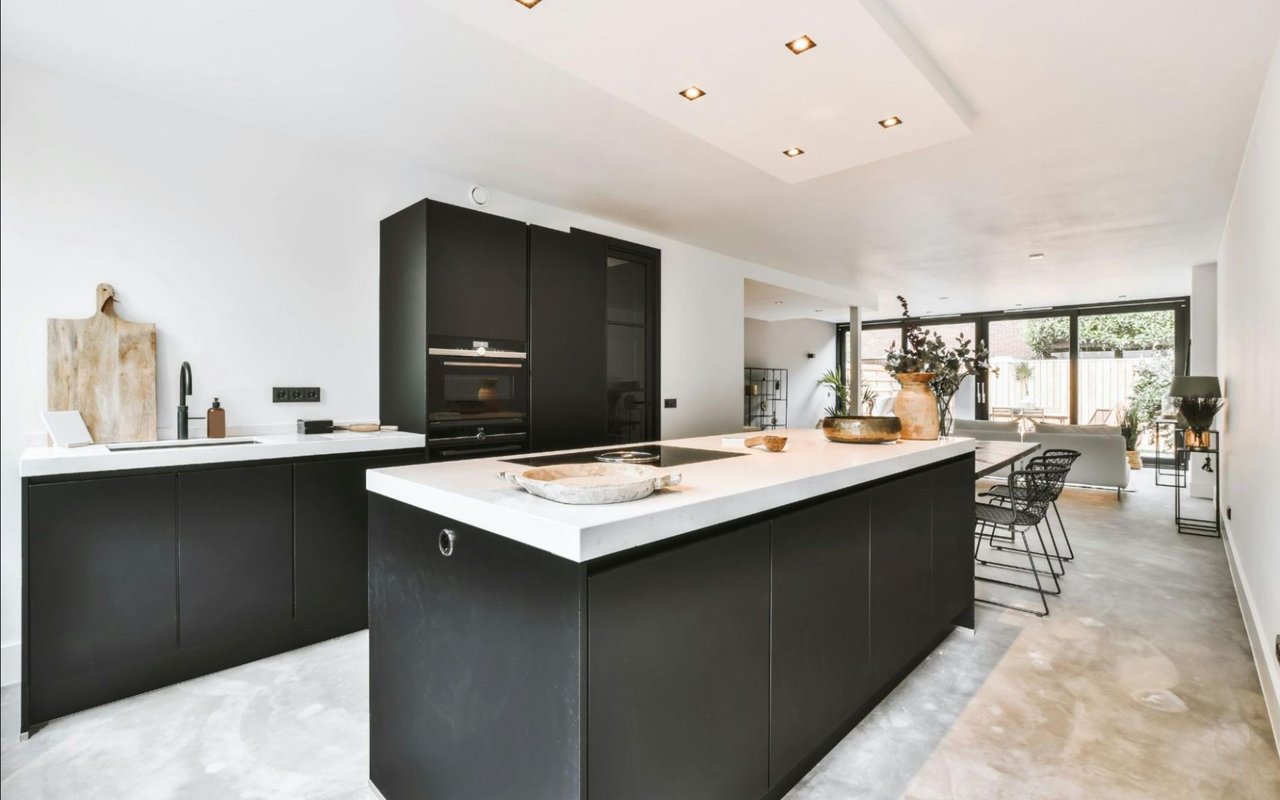
Beyond efficiency, new construction offers the layouts and amenities that today's buyers prioritize. Great rooms that open onto outdoor decks, primary suites with spa-level bathrooms, dedicated ski storage, mud rooms designed for mountain living, and smart home systems are built into new projects from the ground up rather than retrofitted. For buyers who want a turnkey experience with no deferred decisions, new construction delivers that directly.
What to Expect From New Construction in Vail
- Higher initial price per square foot relative to unrenewed older inventory.
- Lower short-term maintenance and capital expense requirements.
- Modern floor plans that suit both full-time residents and vacation rental guests.
- Builder warranties and updated mechanical systems with predictable replacement timelines.
- Greater energy efficiency and sustainability credentials that increasingly influence buyer preference.
FAQs
Does Older Construction Always Sell for Less in Vail?
Not at all. In Vail, location and condition tend to drive pricing more than age. An older home in a highly sought-after position, such as easy ski-in/ski-out access or proximity to Vail Village, can command a strong premium if it has been well-maintained and thoughtfully updated.
Should I Buy an Older Vail Home and Renovate, or Buy New Construction?
That depends on your priorities. If you want to control the design outcome and have a specific vision, a renovation project on an older home in a great location can deliver exceptional results and strong equity. If you want predictability, lower maintenance, and a turnkey experience, newer construction offers that more reliably.
How Much Does a Major Renovation Affect Resale Value in Vail?
Well-executed renovations in Vail's luxury tier tend to recoup a meaningful portion of their cost, particularly when they address kitchens, primary bathrooms, mechanical systems, and outdoor living spaces. The recovery depends heavily on the quality of the work and how the finished product is positioned relative to competing inventory.
Read the Home, Not Just the Year It Was Built
In Vail, a decades-old property can command prices that rival new construction, and sometimes even exceed it, because the market here is built on scarcity, access, and the kind of location advantages that no amount of new development can fully replicate.
The smartest buyers in this market evaluate properties on their actual merits: what condition they're in, what investment they might require, how they compare to the competing inventory in that price range, and how the location holds up against what the rest of the valley offers. The year on the building permit matters far less than the full picture.
If you're navigating the Vail real estate market and want guidance on evaluating properties across different eras and price points, reach out to us at Griffin & Gardner. We are here to help you read every listing with clarity and confidence.